
Introduction
Becoming a peer reviewer is an important milestone in a researcher’s academic journey. It reflects your expertise in a specific field and demonstrates your contribution to maintaining research quality. A peer reviewer certificate adds significant value to your academic profile, helping in career advancement, promotions, and recognition.
Many researchers, especially early-career scholars, are unsure about how to become a reviewer and obtain a peer reviewer certificate. The process may seem unclear, but with the right approach, it is achievable.
This guide explains how to get a peer reviewer certificate for your profile, the steps involved, and how to build credibility as a reviewer.
Research Paper Publication in hyderabad
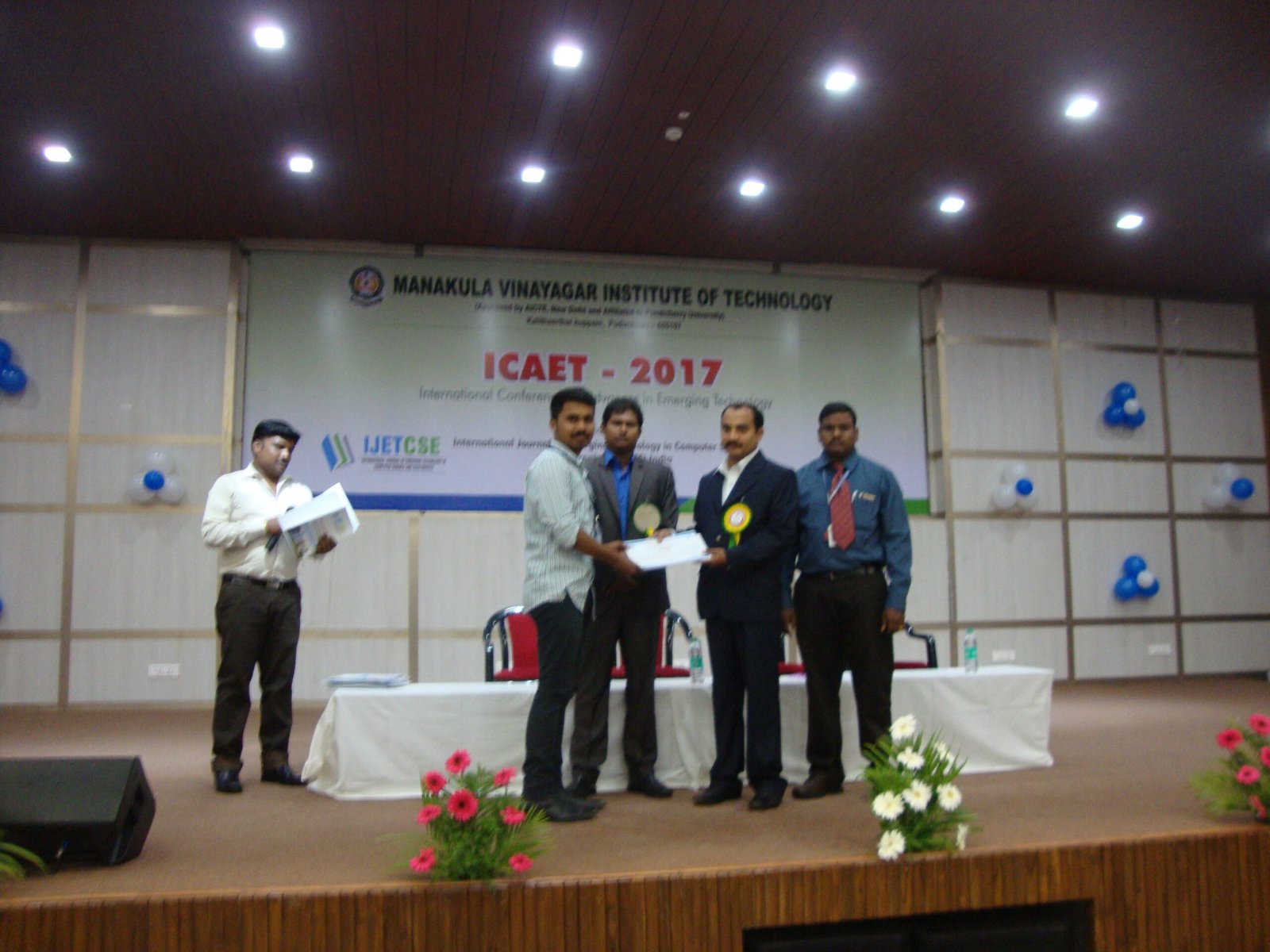
What is a Peer Reviewer Certificate?
A peer reviewer certificate is an official recognition provided by journals or publishing platforms to acknowledge your contribution in reviewing research manuscripts.
It confirms that you have evaluated research papers and provided constructive feedback to improve their quality. These certificates are often issued after completing one or more reviews.
Such recognition strengthens your academic portfolio and showcases your expertise in your research domain.
Why a Peer Reviewer Certificate is Important
A peer reviewer certificate offers several benefits for researchers.
It enhances your academic credibility by demonstrating your involvement in the research community. It also improves your chances of collaboration, networking, and career opportunities.
Many institutions consider peer review experience during promotions and evaluations. It also helps build your reputation as an expert in your field.
Additionally, being a reviewer allows you to stay updated with the latest research trends and improve your own writing skills.
Step 1: Build a Strong Academic Profile
To become a peer reviewer, you need a solid academic foundation.
Start by publishing research papers in reputed journals. Having publications in indexed journals increases your chances of being invited as a reviewer.
Create and maintain profiles on academic platforms such as researcher databases and professional networks. Ensure your profile highlights your expertise, research interests, and publications.
A strong academic presence makes it easier for editors to identify you as a potential reviewer.
Step 2: Register with Journals and Platforms
Many journals allow researchers to register as potential reviewers.
Visit journal websites related to your field and sign up as a reviewer. Provide accurate details about your expertise and research interests.
There are also platforms that connect reviewers with journals. Registering on such platforms increases your visibility and chances of receiving review invitations.
Make sure your profile is complete and up to date.
Step 3: Network with Editors and Researchers
Networking plays a key role in becoming a peer reviewer.
Connect with editors, professors, and researchers in your field. Attend academic conferences, webinars, and workshops to build relationships.
Often, reviewers are selected based on recommendations and professional connections.
Engaging with the research community increases your chances of being recognized and invited for peer review.
Step 4: Accept Review Invitations
Once you receive an invitation to review a manuscript, evaluate whether it matches your expertise.
If it is relevant, accept the invitation and complete the review within the given timeline. Provide detailed, constructive, and professional feedback.
Editors value reviewers who are reliable and thorough. Consistently delivering quality reviews increases your chances of receiving more invitations.
Step 5: Request or Download Your Certificate
After completing a review, many journals provide a peer reviewer certificate.
Some journals automatically issue certificates, while others require you to request them.
You can also download certificates from reviewer platforms where your contributions are recorded.
Keep these certificates organized and include them in your academic portfolio.
Platforms That Provide Peer Reviewer Certificates
Several platforms and publishers recognize reviewers and provide certificates.
Many academic journals issue certificates directly after review completion. Some platforms track your reviewing activity and provide downloadable certificates.
These platforms also help you build a verified record of your contributions.
Using recognized platforms adds credibility to your reviewer profile.
Tips to Become a Successful Peer Reviewer
To build a strong reputation as a reviewer, focus on quality and consistency.
Always provide clear, constructive, and unbiased feedback. Maintain confidentiality and follow ethical guidelines.
Avoid delays and complete reviews within the given deadlines.
Stay updated with recent research trends in your field. This helps you provide relevant and valuable insights.
A good reviewer is not only critical but also supportive in improving research quality.
Common Challenges and How to Overcome Them
Many researchers face challenges when starting as peer reviewers.
One common issue is not receiving review invitations. This can be overcome by improving your academic profile and networking.
Another challenge is lack of confidence in reviewing manuscripts. With practice and experience, your confidence will improve.
Time management can also be difficult. Plan your schedule to ensure timely completion of reviews.
Overcoming these challenges helps you grow as a reviewer.
How to Showcase Your Peer Reviewer Certificate
Once you receive your certificate, it is important to use it effectively.
Add it to your academic CV, professional profiles, and research portfolios. Highlight your reviewing experience along with your publications.
You can also include it in job applications and academic evaluations.
Showcasing your certificate strengthens your profile and demonstrates your expertise.
How to Get a Peer Reviewer Certificate for Your Profile
Getting a peer reviewer certificate is a valuable achievement for any researcher. It reflects your expertise, contribution to the academic community, and commitment to maintaining research quality.
By building a strong academic profile, networking with professionals, and actively participating in peer review, you can earn recognition as a reviewer.
With consistent effort and dedication, you can enhance your academic profile and open new opportunities for growth and collaboration.
FAQs
1. How do I become a peer reviewer?
Build a strong academic profile, publish research, and register with journals or reviewer platforms.
2. Do all journals provide reviewer certificates?
Not all journals provide certificates, but many reputable journals and platforms do.
3. Is peer reviewing paid?
Most peer review work is voluntary, but it offers academic recognition and benefits.
4. How many reviews are needed to get a certificate?
Usually, a certificate is issued after completing one or more reviews, depending on the journal.
5. Can beginners become peer reviewers?
Yes, with relevant knowledge and publications, beginners can start reviewing manuscripts.